
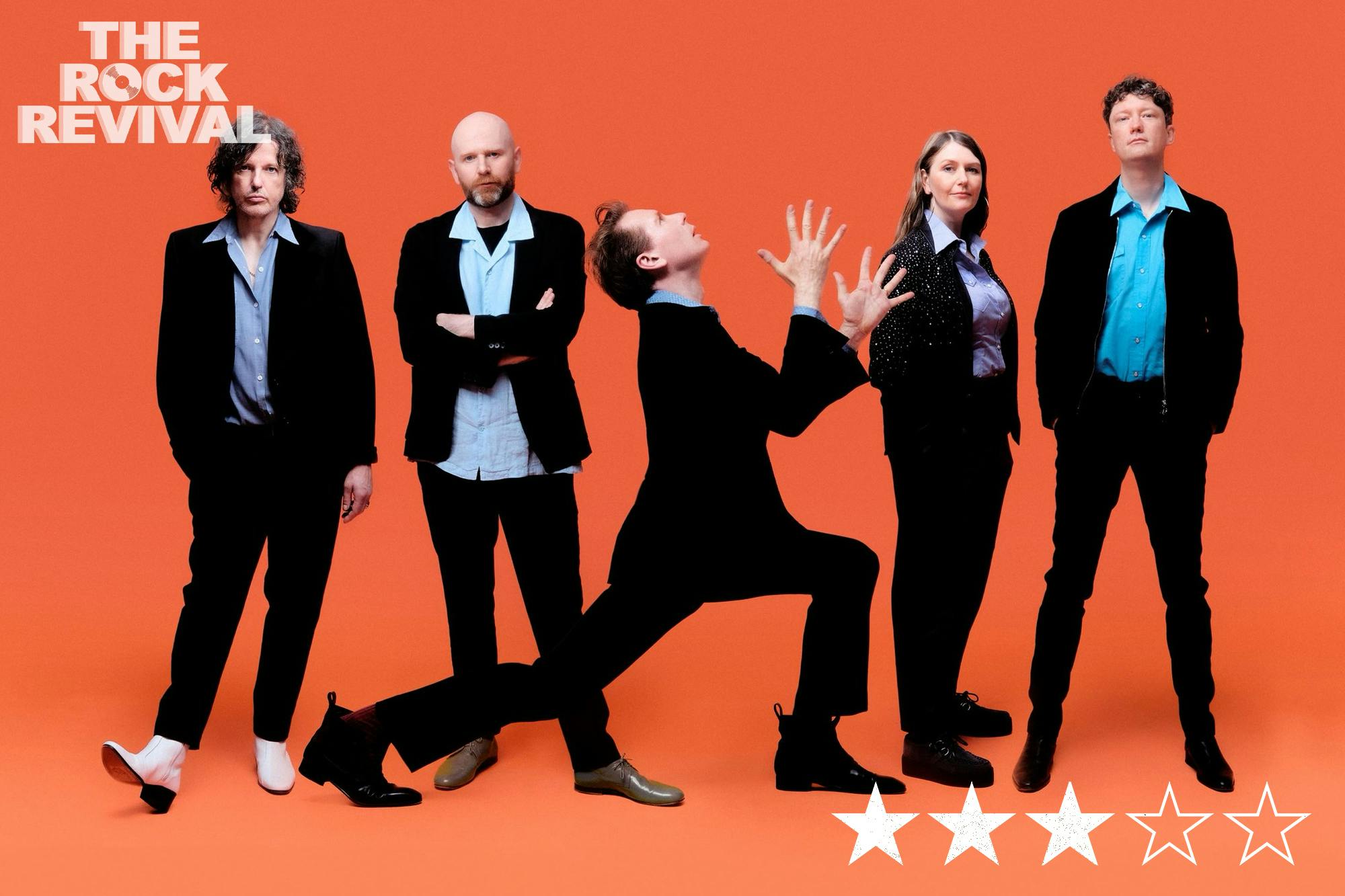
Franz Ferdinand, for better or worse, will always be a band known for their biggest hit. Their breakaway single Take Me Out catapulted them onto festival stages and has managed to keep them there for a couple of decades. That’s not to say that there isn’t a flourish of magic throughout their discography. The follow-up to their breakaway success, You Could Have It So Much Better showed a band that wouldn’t shudder under their fame, and from there they maintained a reputation of reliability – or perhaps, strength in safety – throughout the noughties. As the decade turned, the Scots didn’t feel a burning desire to churn out music as their fans would have liked, which only acted as a testament to their musicianship as their name didn’t fade into complete obscurity. As they returned to the studio for the first time in six years with only two of its original members remaining, The Human Fear always had the potential to feel as though the band were trying to catch up with the cultural changes that have swept them by so quickly. Still, there are moments here that stand on their own two feet and can go toe to toe with what gave them their reputation.
You’d be forgiven for thinking the opening moments of first track Audacious is a forgotten Strokes cut, with fuzzy riffs bouncing off of each other. It blends into something much bigger though, never remaining static and building to a chorus that is dressed up with lush harmonies, swaying gently from side to side. Meanwhile follower Everydaydreamer shows the band won’t forget how to create a killer riff, with its thick bass line deservedly taking up a chunk of the mix. The chorus refrains from blowing out the production and instead finds strength with its vocal phrasing and synths. The track digs deeper into the albums themes as well, of finding vigour through the fear of everyday life: “With perspective, enough perspective/Anything can disappear until all we can see is the point of infinity”. Alex Kapranos may never get the credit he deserves for his consistent songwriting, but cuts like these offer a glimpse into his talent.
As the first two songs end however, the album’s road starts to become bumpy. ‘Hooked’ simultaneously sounds awfully outdated while offering nothing worthy of nostalgia from the past years it tries to emulate. Its cringe-inducing chorus marks a massive misstep for the band, and one they thankfully steer away from quickly. Meanwhile, Build It Up has a chorus that feels miscast in a rock album and seems more suited for a broadway musical, before thankfully ‘Night Or Day’ reels you back in after the previous two tracks cast you so far away from shore. It’s not another curveball or switch-up, instead resembling a comfortable familiarity to their old cuts, but this album proves to be at its best when Franz sticks to what they know. As the last few songs wrap up the project, the full vision sometimes struggles to shift to a gear that would bring the music to a resounding climax. Its themes of fear and thrill run deep in its songwriting, but never feels brought to reality by its sonic palette. However, the album closer offers a late jab to remind why you’ll still continue to give the bands music attention long after they’ve hung up their Les Pauls. Franz are born riff makers, and The Birds proves once again they know their way around a fretboard, even if they’ll play it with a jangly and jerky charm.
The Scots’ sixth full-length expenditure undoubtedly has its moments, but doesn’t express too much that will keep them on festival stages any longer than their debut effort has managed to do so previously. If anything, The Human Fear serves as a reminder why Franz Ferdinand are celebrated but not quite cherished, and that’s okay. Their biggest song has everyone on their feet every weekend in indie clubs up and down the country, and there aren’t many bands who can say that.
Words by Niall McGreevy